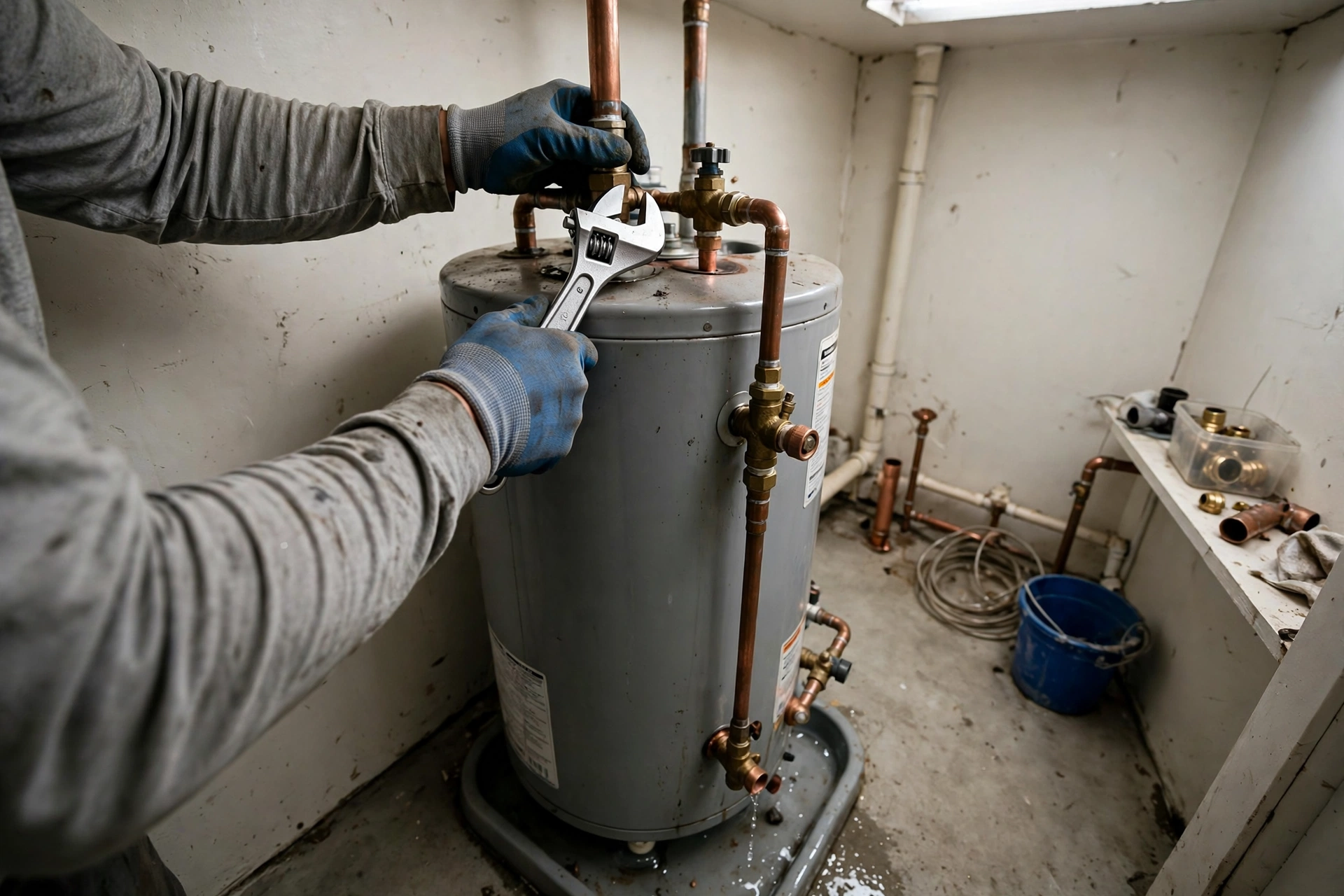
Water Heater Troubleshooting
Midland Water Heater Pros connects you with independent contractors who repair gas and electric water heaters …
Learn moreNatural gas heats water in the majority of Midland homes, and for good reason. Gas burners recover hot water faster than electric elements, which matters in households where showers stack up back to back. But gas units add combustion to the plumbing: a pilot flame or electronic ignition, a burner assembly, a thermocouple watching the flame, and a vent carrying exhaust safely out of your home. Each of those parts can fail, and each fails in its own way.
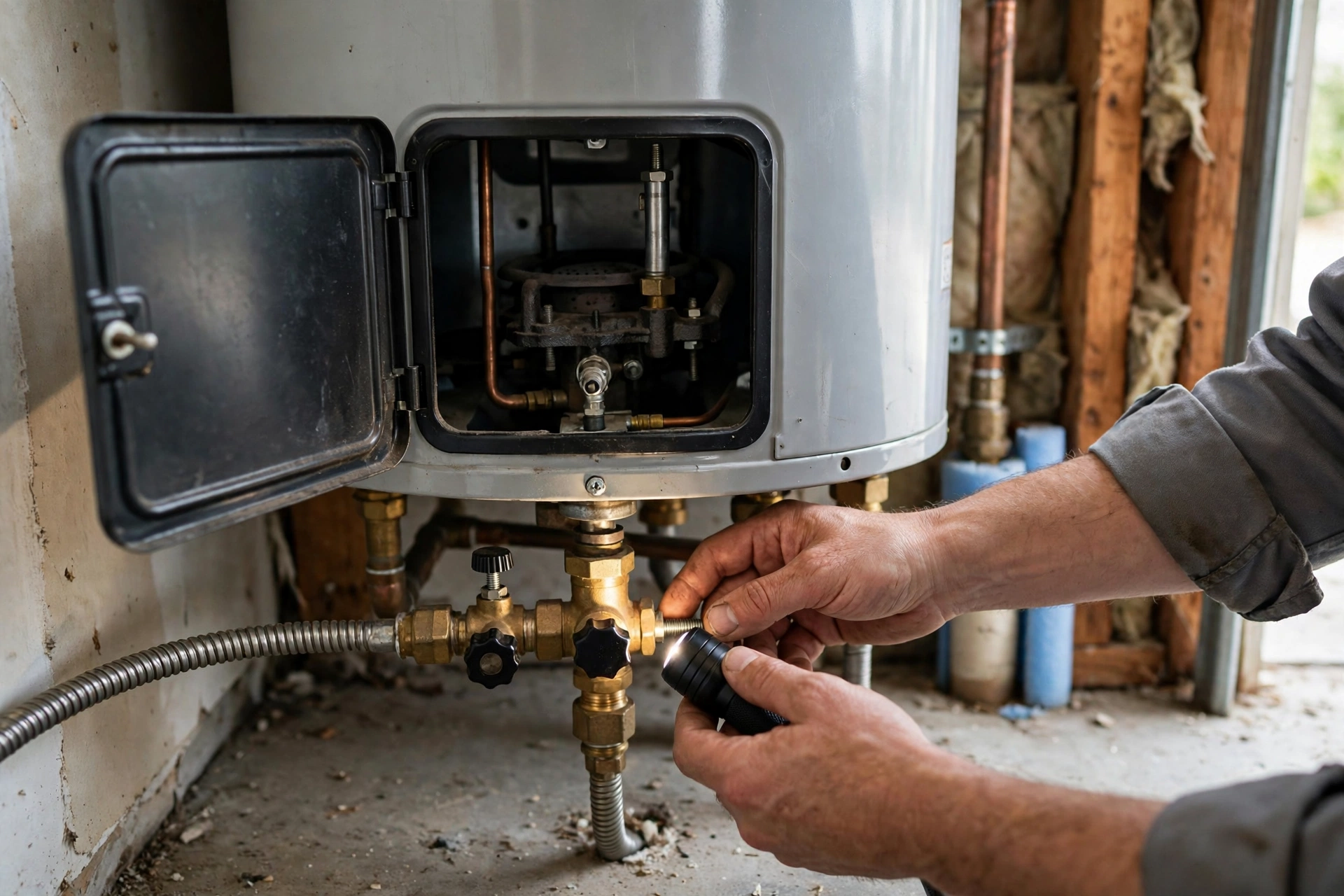
Midland conditions shape gas water heater life in specific ways. The 15 to 25 grains per gallon water supply builds sediment that forces burners to run longer and hotter. West Texas dust coats burner assemblies and pilot orifices, especially in garage installs near Loop 250 where traffic dust is constant. Summer heat bakes utility closets, and the occasional hard freeze tests every gas connection. Gas service here means accounting for all of it.
This page covers how gas units work, the repairs contractors perform most often, the venting and combustion air safety checks that matter most, how gas installations are sized and set up, and when a gas unit has earned retirement.
A gas water heater is elegantly simple at heart. Cold water enters the tank through a dip tube that carries it to the bottom. A thermostat senses the water temperature, and when it drops below the setpoint, the gas valve opens and the burner ignites beneath the tank. Hot combustion gases rise through a flue running up the center of the tank, transferring heat to the water around it, then exit through the vent. When the water reaches temperature, the valve closes the burner down.
The pilot light, or the electronic igniter on newer units, keeps this cycle ready. The thermocouple is the safety sentinel: a small sensor that proves the pilot flame exists, shutting off gas flow if the flame goes out. The draft hood and vent carry exhaust, including carbon monoxide, safely outside. Every one of these components has to work correctly for the unit to heat water safely, which is why gas service visits check the whole system, not just the failed part.
In Midland, the wrinkle is sediment. That 15 to 25 grains per gallon water lays down a mineral layer between the burner and the water it is trying to heat. The burner runs longer to push heat through, the tank bottom runs hotter than designed, and everything ages faster. Gas maintenance in the Permian Basin is, in large part, a fight against this insulating layer.
Related: gas unit repair service, gas unit installation
The pilot assembly is the most serviced part of any gas water heater. Pilots go out from drafts, from dust-clogged orifices, and from thermocouples that have weakened with years of heat cycling. The classic symptom is a pilot that lights but will not stay lit: you hold the button, release it, and the flame dies. That is almost always the thermocouple no longer generating enough voltage to hold the gas valve open, and replacing it is routine work.
Burner problems show up differently. A burner clogged with dust and sediment debris burns unevenly, with yellow tipping instead of a clean blue flame, and it can soot up the flue over time. Contractors remove the burner assembly, clean it thoroughly, inspect the flue for obstruction or corrosion, and verify proper combustion afterward. In dusty West Texas garages, this cleaning belongs in regular maintenance, not just in repairs.
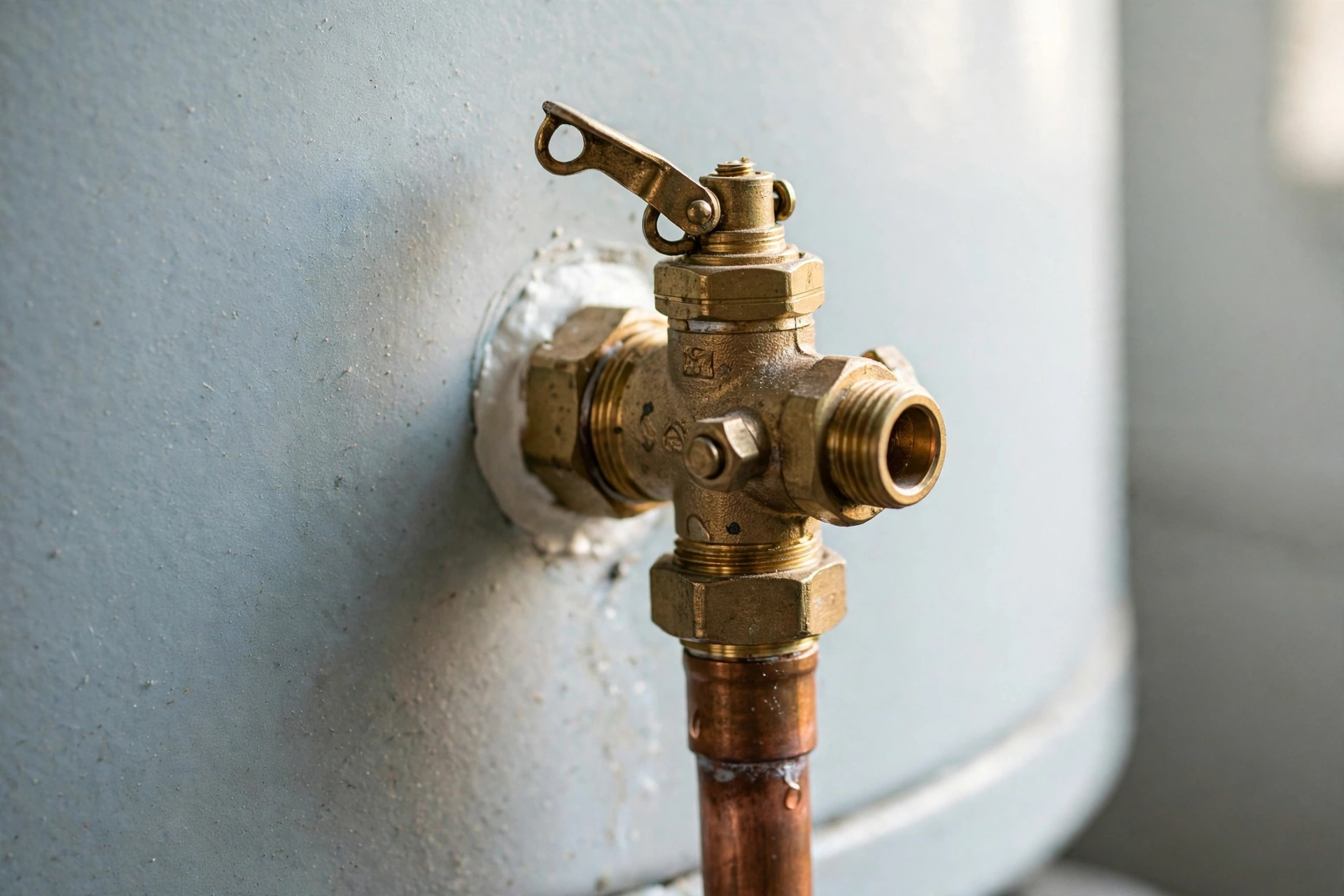
Gas valve and thermostat failures are less common but more consequential. A thermostat that sticks can overheat the tank, which is exactly what the relief valve and high-limit switch exist to catch. A contractor tests the full control chain during any gas service visit, because safety controls are verified, never assumed.
Safe venting is the non-negotiable core of gas water heater service. The vent must carry exhaust gases, including carbon monoxide, out of the home with proper draft, and the unit needs adequate combustion air to burn cleanly. Contractors check draft at every gas visit, confirm the vent connector rises properly with no sags or disconnections, and look for corrosion or damage along the vent run.
Combustion air is where Midland's older homes often fall short. Those 1950s and 1960s closet installs around downtown were built under looser requirements, and a modern high-input burner in a sealed closet can starve for air, producing carbon monoxide instead of clean exhaust. The fix is usually straightforward, louvered doors or dedicated air openings, but it has to be identified first, which is why closet gas units deserve professional eyes on them.
Carbon monoxide awareness belongs in every gas water heater conversation. Install a CO detector near sleeping areas and near the unit's location if you have gas appliances, and treat any detector alarm as an immediate leave-the-house event. A properly vented, properly maintained gas water heater is safe. Venting and combustion air are what keep it that way.
Related: safe gas unit placement, yearly gas unit maintenance
Installing a gas water heater starts with the same sizing conversation as any unit: peak hour demand, household schedule, and honest talk about whether the old unit kept up. Gas adds recovery rate to the math, since gas burners reheat a tank faster than electric elements, which sometimes means a slightly smaller gas tank serves the same household. The contractor runs the numbers rather than guessing.
The installation itself centers on the three gas-specific connections: the gas supply line, sized for the unit's BTU demand alongside the furnace and stove; the venting, routed with proper rise and clearances; and combustion air, verified adequate for the space. Water connections, the relief valve discharge, the drain pan, and the expansion tank round out the job, same as any installation.
Replacement gas installs in existing homes usually reuse the gas line and vent route, which keeps the work straightforward. Conversions, or relocations from a closet to a garage, add planning but solve chronic problems in the process. Either way, the contractor verifies draft and combustion after installation, because a gas unit is not done until it is proven safe as well as functional.
Gas units give the same end-of-life signals as any tank, plus a few of their own. Rust on the tank jacket, moisture around the base, or water seeping from the tank body mean the steel has failed and no repair is safe. A burner that keeps sooting despite cleaning, a flue showing serious corrosion, or a gas valve that has become unreliable all point the same direction. Age amplifies everything: a twelve-year-old gas unit in Midland water has lived a hard life.
Efficiency is a quieter reason. Older gas units with heavy sediment and tired burners run longer cycles to deliver the same hot water, and that shows up in gas usage over time. Replacement restores clean combustion and proper heat transfer, especially when the new unit gets the hard water protection the old one never had.
The replacement conversation for gas units always includes the venting and gas line. If the existing vent is corroded or the gas line is marginal, replacement day is the time to correct it, not after. A new unit on a compromised vent is a new unit with an old problem, and a thorough contractor will not leave it that way.
Related: tank replacement service, considering electric instead
 Gas Water Heater Services Questions?
Describe what your unit is doing and we will help arrange the next step.
The most common cause is a worn thermocouple, the safety sensor that proves the pilot flame exists. When it weakens, it cannot hold the gas valve open and the pilot dies on release. Dust-clogged pilot orifices and drafts from garage doors cause it too. A contractor cleans the assembly, tests the thermocouple, and checks venting before replacing parts.
No. A faint odor during initial lighting can happen, but a persistent gas smell is never normal and should be treated as an emergency. Do not light anything or flip switches, leave the house, and call your gas utility from outside. Once the area is declared safe, a contractor can find and fix the leak source.
Yearly service is the right interval in Midland. The visit covers tank flushing for the 15 to 25 grains per gallon sediment load, burner and pilot cleaning for West Texas dust, venting and draft verification, anode rod inspection, and relief valve testing. Gas units have more safety-critical components than electric ones, making the yearly check especially worthwhile.
Yes, but the closet must provide adequate combustion air and proper venting, which many of Midland's 1950s and 1960s closets do not as originally built. Louvered doors or dedicated air openings usually solve it. A contractor surveys the space before committing, because a starved burner produces carbon monoxide. Some situations are better solved by relocating the unit.
Yellow tipping usually means the burner is starved of air or partially clogged with dust, rust, or debris, all common in West Texas garage installs. It can also signal venting problems. A yellow flame burns dirtier and less efficiently, and it can soot up the flue. Burner cleaning and a combustion check during a service visit normally restores a clean blue flame.
Not seeing your question? Request service and describe what your unit is doing.
Call (432) 321-0116Midland Water Heater Pros connects you with independent contractors who repair gas and electric water heaters …
Learn more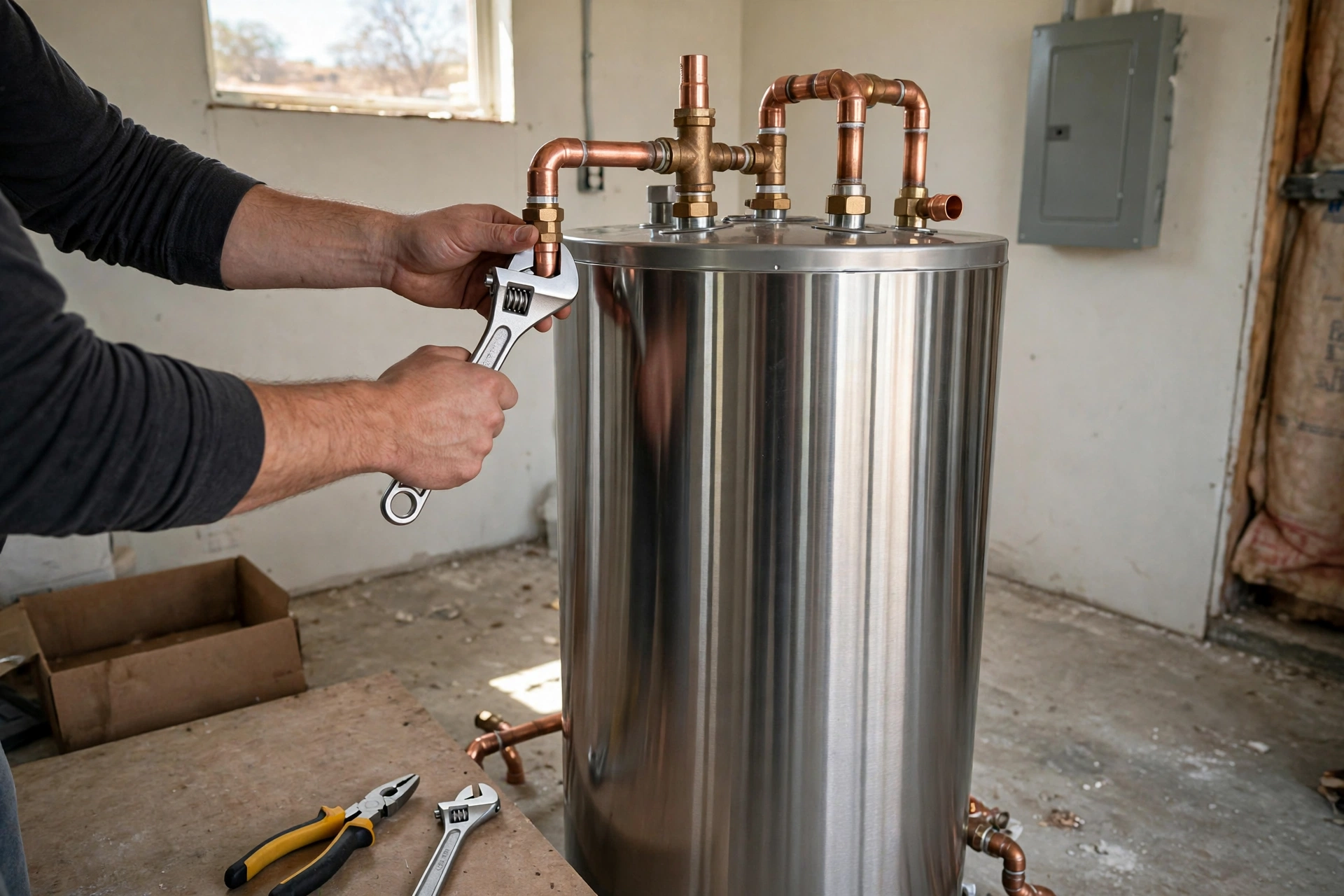
A water heater installation is a decision you will live with for years, so sizing and setup matter more than b…
Learn more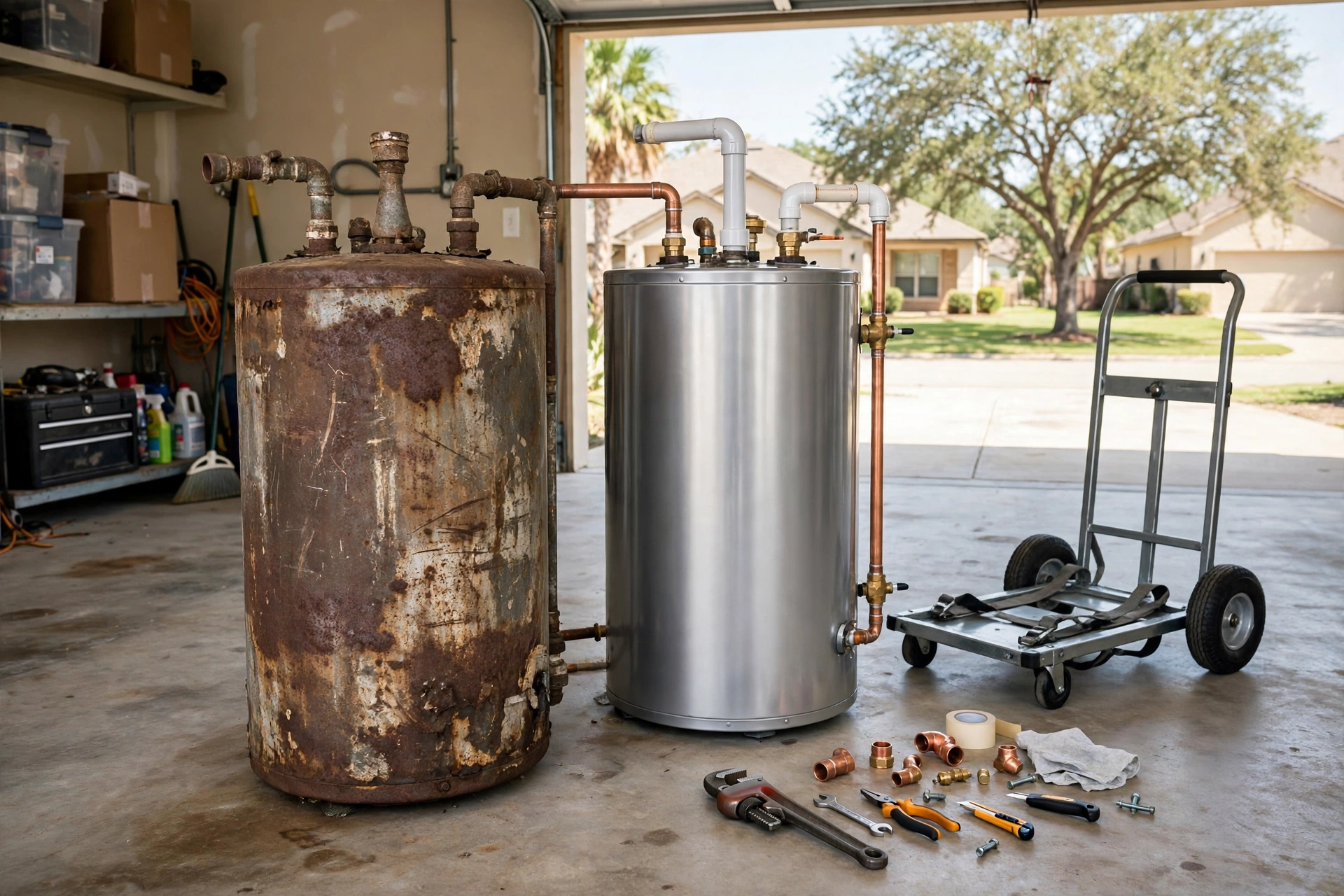
Every water heater reaches a point where another repair just delays the inevitable. Midland Water Heater Pros …
Learn moreHot Water, HandledMost Midland homes heat water with natural gas, and gas units have their own personality: pilots, thermocouples, burners, and venting that all need attention. Midland Water Heater Pros connects you with independent contractors who service gas water heaters across Midland, from pilot relights to full installations. With 15 to 25 grains per gallon hard water baking sediment onto every tank bottom, gas burners here work harder than in most cities.