Anode Rods and Midland Hard Water: What to Know
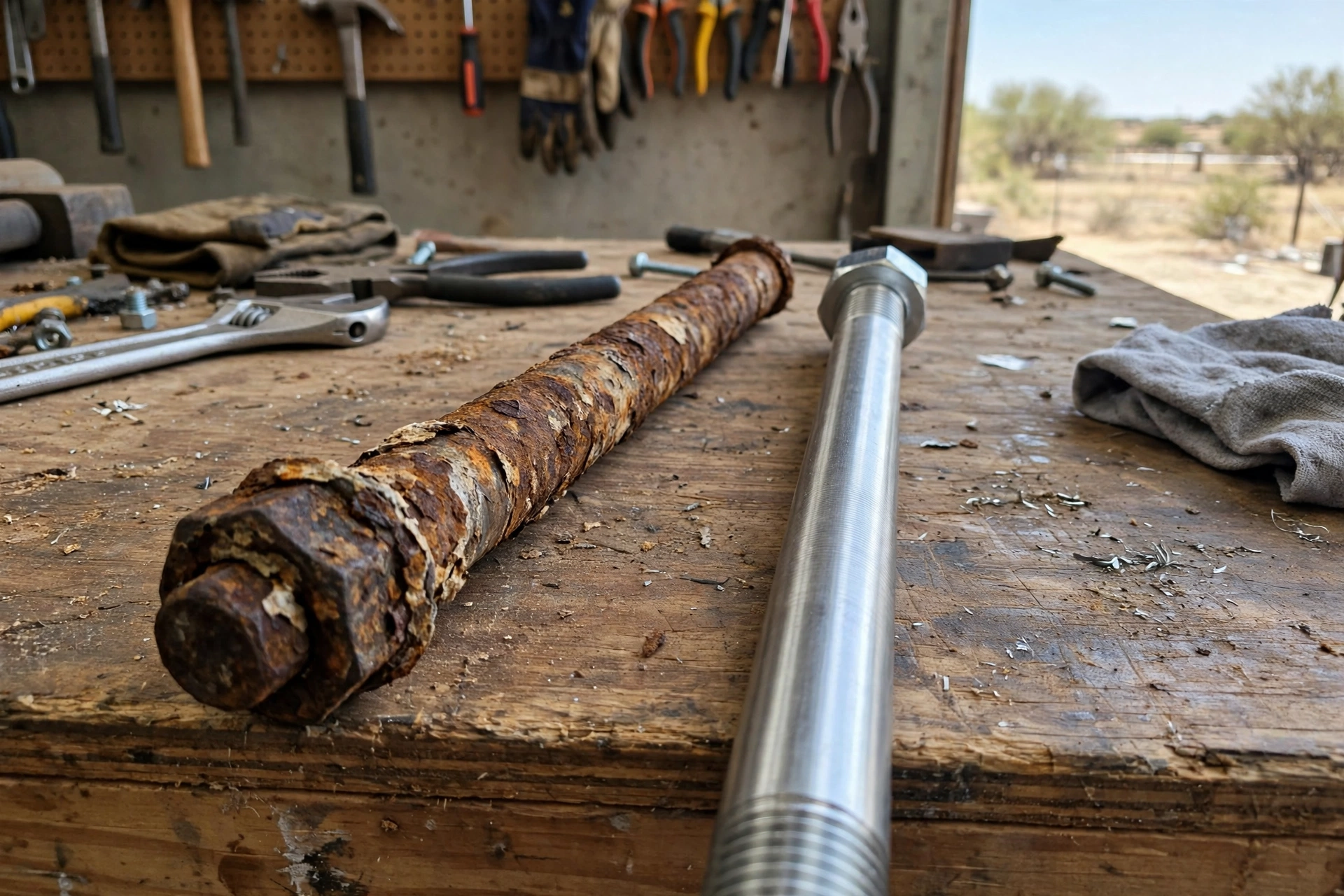
The anode rod is a sacrificial metal rod inside your water heater that corrodes so the steel tank does not. In…
Learn moreFinding water pooling around your water heater is alarming, and the right first moves take only a few minutes. Acting fast limits water damage to floors, drywall, and stored belongings, especially in garage or closet installations common in Midland homes.
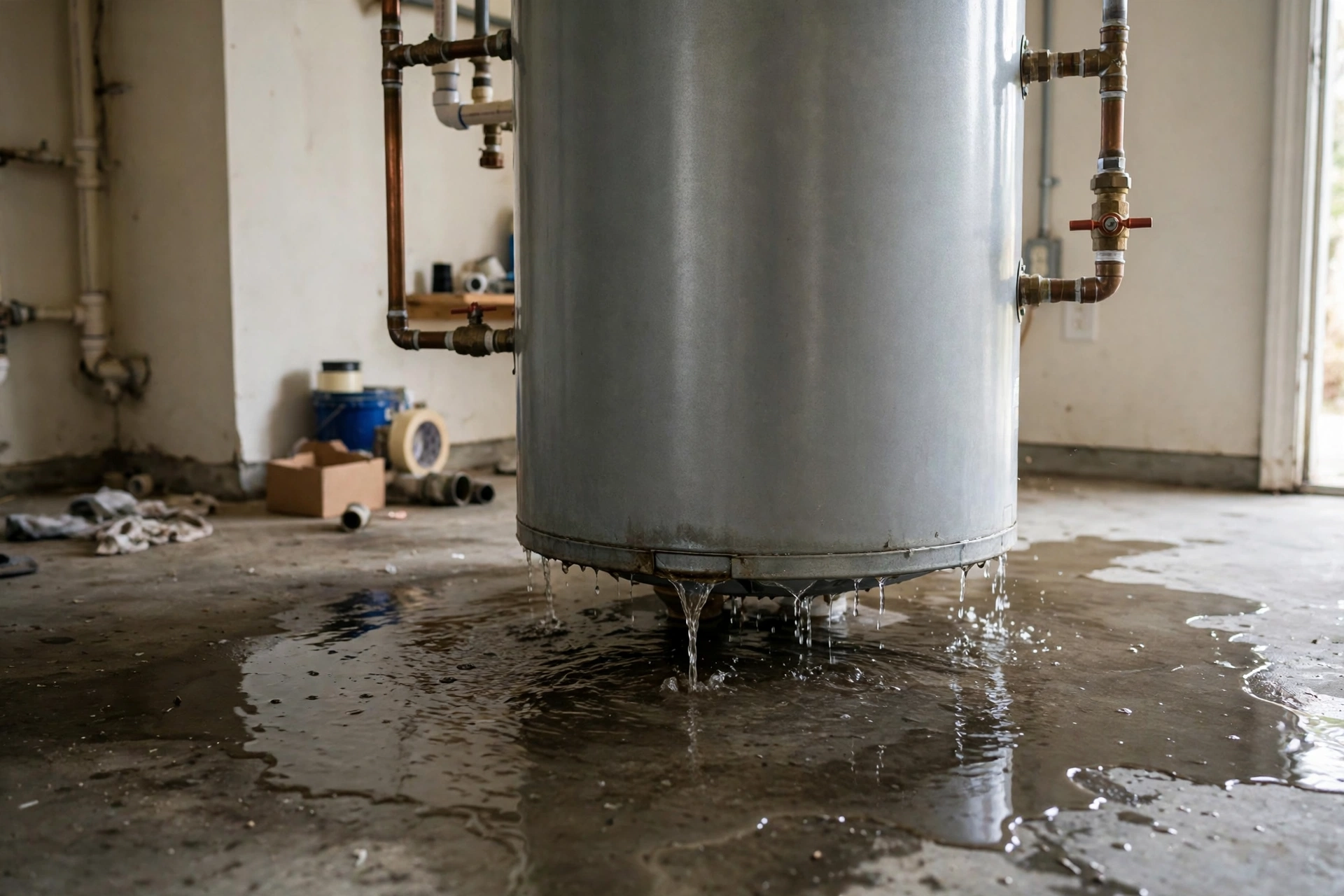
This guide covers the immediate emergency steps, how to tell where the leak is coming from, and how to judge whether the heater can be repaired or has to go. For urgent situations, our emergency water heater repair service handles leaks any time they happen.
First, shut off the cold water supply to the heater using the valve on the inlet pipe. Next, kill the heat source: flip the breaker for electric units or set the gas control to off. This stops the tank from heating while water sits in it or while it drains.
If water is flowing heavily, attach a garden hose to the drain valve and route it to a floor drain or outside, then open the valve. Relieving the tank takes pressure off the leak and gets standing water out of your home faster.
Never touch electrical components with wet hands or while standing in water. If water has reached outlets, the breaker panel area, or the heater's electrical compartment, stay clear and call for help rather than flipping switches yourself. Water and electricity is the one combination where waiting for a professional is always the right call.

Not every puddle means a dead heater. Check the fittings first: inlet and outlet connections, the drain valve, and the temperature and pressure relief valve discharge pipe. Leaks at these points are often repairable with a new valve, washer, or fitting.
A leak from the tank body itself, rust streaks running down the jacket, or water seeping from under the base points to internal tank failure. Steel tanks corrode from the inside out, and once the wall is breached there is no lasting fix.
Condensation can masquerade as a leak, especially on cold water inlet pipes during humid months. If the moisture is only on pipes and the tank base is dry, wipe everything down and check again in an hour. A real leak keeps producing water, while condensation does not return once wiped in normal conditions.
Repairable: a dripping relief valve, a weeping drain valve, or a loose supply connection. These are component failures on an otherwise sound tank, and a technician can swap the part quickly.
Not repairable: any breach of the tank wall. Patching compounds and sealants cannot hold tank pressure and heat cycles. If your tank is leaking from the body, replacement is the only safe answer, and our water heater installation page outlines the process.
Check your warranty before deciding anything. Many tanks carry 6-year tank warranties, and a failed tank inside that window may qualify for a manufacturer replacement of the unit itself. You will still pay labor, but the most expensive part could be covered. The rating plate has the install date and warranty terms.
Water spreads fast along slab floors. Lay towels or a wet-dry vacuum to work the perimeter of the puddle, and pull stored items away from the wet area. In Midland's summer heat, damp drywall and carpet can start smelling musty within a day, so drying matters even after the leak stops.
If the leak soaked an interior wall, cut a small inspection opening low on the drywall to check for saturation once the area is dry. Catching hidden moisture early prevents a much bigger repair later.
Take photos of the leak, the water spread, and any damaged belongings before cleanup. If the damage is significant enough for a homeowners insurance claim, that documentation is invaluable. Most policies cover sudden water damage from appliance failure, though they will not pay for the water heater itself.
Most tank leaks are the end stage of years of corrosion. Annual flushing removes the sediment that overheats tank steel, and anode rod replacement keeps the steel protected. Together they are the best leak prevention available, and our maintenance page puts them on a schedule.
Consider a leak detection alarm or an automatic shutoff valve at replacement time. They are inexpensive compared to one flooded garage, and they act when nobody is home to notice.
An expansion tank on the cold water line absorbs pressure spikes from thermal expansion, which is hard on tanks and relief valves alike. Many Midland homes lack one, and adding it during a replacement is inexpensive. It is a small part that quietly extends the life of everything downstream of it.
Put the heater on a calendar reminder for a yearly look-over, even if you do the flush yourself. A five-minute visual check for rust streaks, damp fittings, and vent condition catches most failures while they are still cheap. The tanks that flood garages are almost always the ones nobody looked at for years.
 Want Water Heater Guidance for Your Home?
Read the guide, then describe your water heater problem and we will help arrange the next step.
It can be. Hot water causes burns and flooding damages the home. Shut off water and heat, then call for service. Gas leaks or a hissing relief valve need immediate professional attention.
Leaks from valves and fittings often can. A leak from the tank body itself cannot be repaired safely and the unit must be replaced.
Immediately. Even a slow drip becomes gallons overnight, and water damage costs climb fast. Shut off the supply first, then call.
Usually internal corrosion after years of hard water and sediment stress. High water pressure and a failed relief valve can also force leaks.
The anode rod is a sacrificial metal rod inside your water heater that corrodes so the steel tank does not. In…
Learn more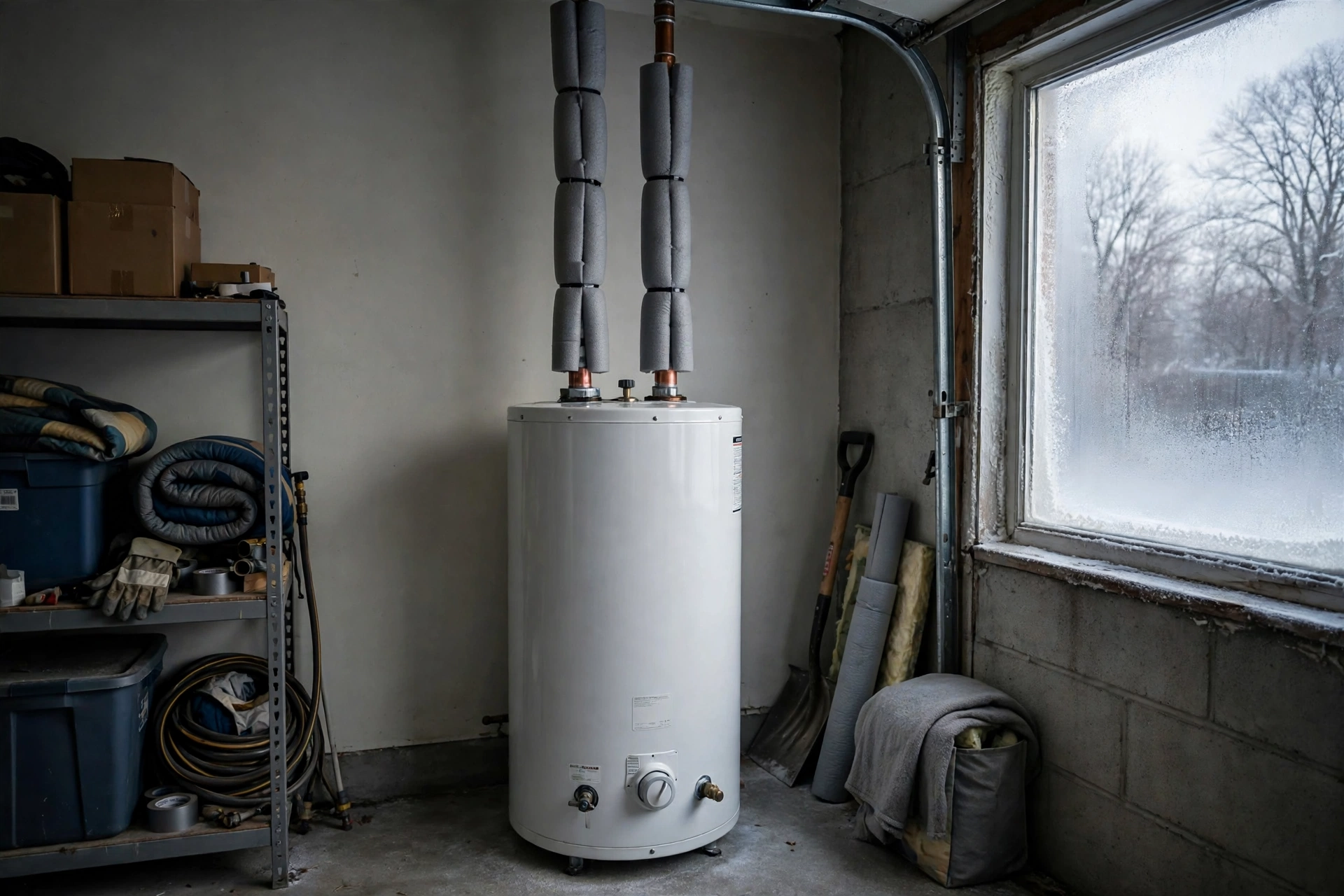
Midland winters bring occasional hard freezes that can burst exposed water heater pipes and damage tankless un…
Learn more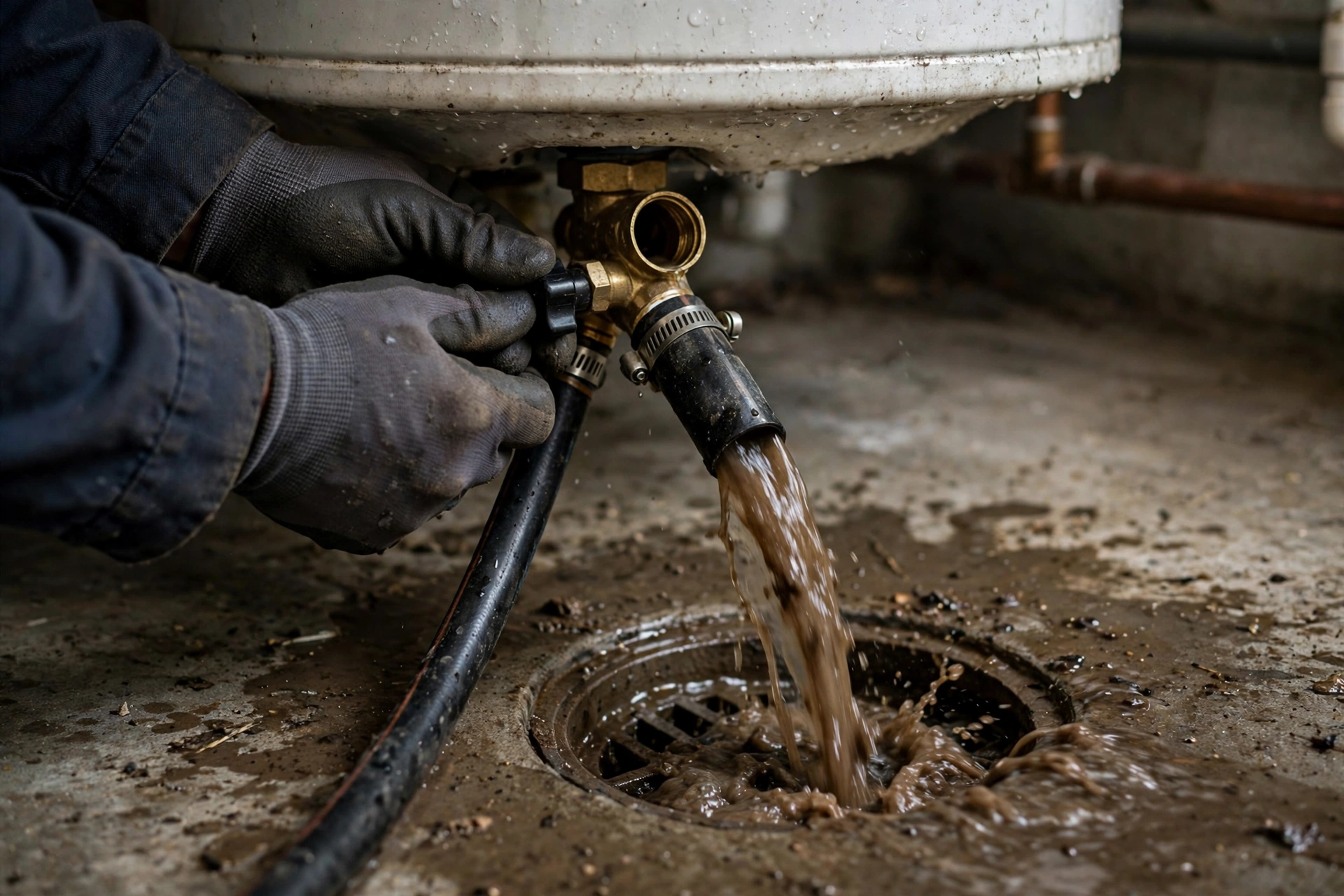
Flushing a water heater means draining the tank through the drain valve to carry out the mineral sediment that…
Learn moreHot Water, HandledIf your water heater is leaking, shut off the water supply to the tank, turn off power or gas, and drain it if the leak is major. Small leaks from fittings can often be repaired, but a leak from the tank body itself means the tank has failed and needs replacement. Our emergency water heater repair page explains what happens when you call for urgent help.